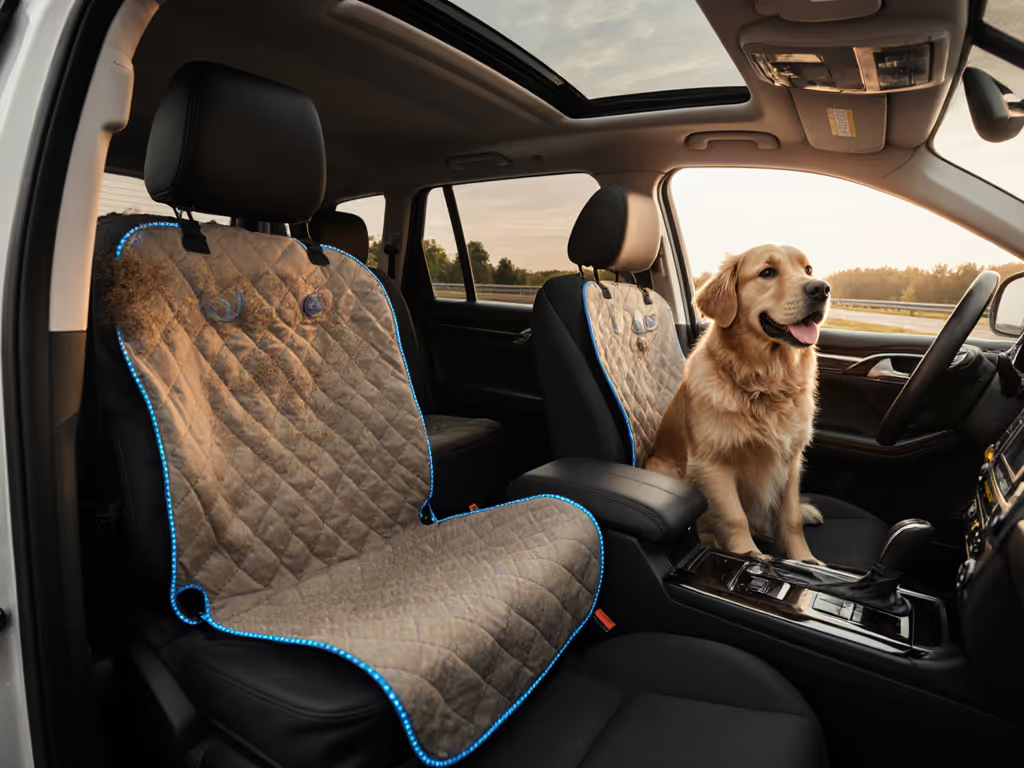
Panoramic Roof EV Dog Car Accessories: Which Keep Dogs Cool?
By Hana Saito • 2nd Jun
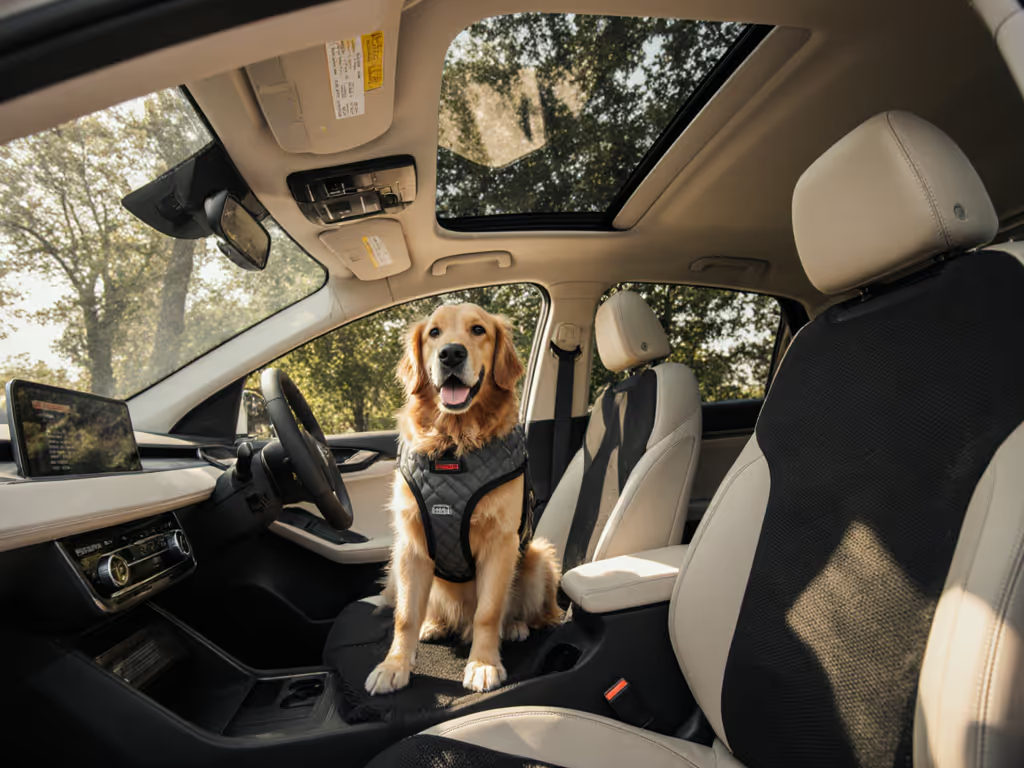
Panoramic roof EV dog car accessories are less about cute add-ons and more about temperature control and restraint under a giant sheet of glass. In EVs with full-length glass, the right glass roof pet travel solutions are the difference between a bright, calm cabin and a rolling greenhouse.
A calm cabin is a safety feature, not a luxury.
How Panoramic Glass Roofs Change Dog Safety
On a conventional metal roof, most solar load hits painted steel and insulation. With a panoramic roof, more of that energy reaches the interior. Modern EV glass is typically:
- Tinted and laminated
- UV-filtering (to protect skin and interiors)
- Sometimes infrared-reflective
Even so, three things still matter for dogs:
- Heat gain from above - Glass warms, radiates downward, and increases radiant heat on your dog’s back, especially in the rear seats or cargo.
- Uneven temperature zones - EVs can keep a set cabin temperature overall, but localized hotspots still form under the roof and near glass.
- High visual exposure - More light and sightlines can help some dogs relax, but can overstimulate anxious or motion-sensitive dogs.
In EVs, you often trust software like "Dog Mode" or equivalent to hold temperature. That's a strong base, but accessories determine whether that air actually reaches your dog or gets blocked by bulky hammocks, overstuffed beds, or solid barriers. For a head-to-head look at active and passive cooling tools, see our dog car cooling comparison.
The real question with panoramic roof EV dog car accessories is not "What looks clever?" but "What preserves airflow and reduces radiant heat?"
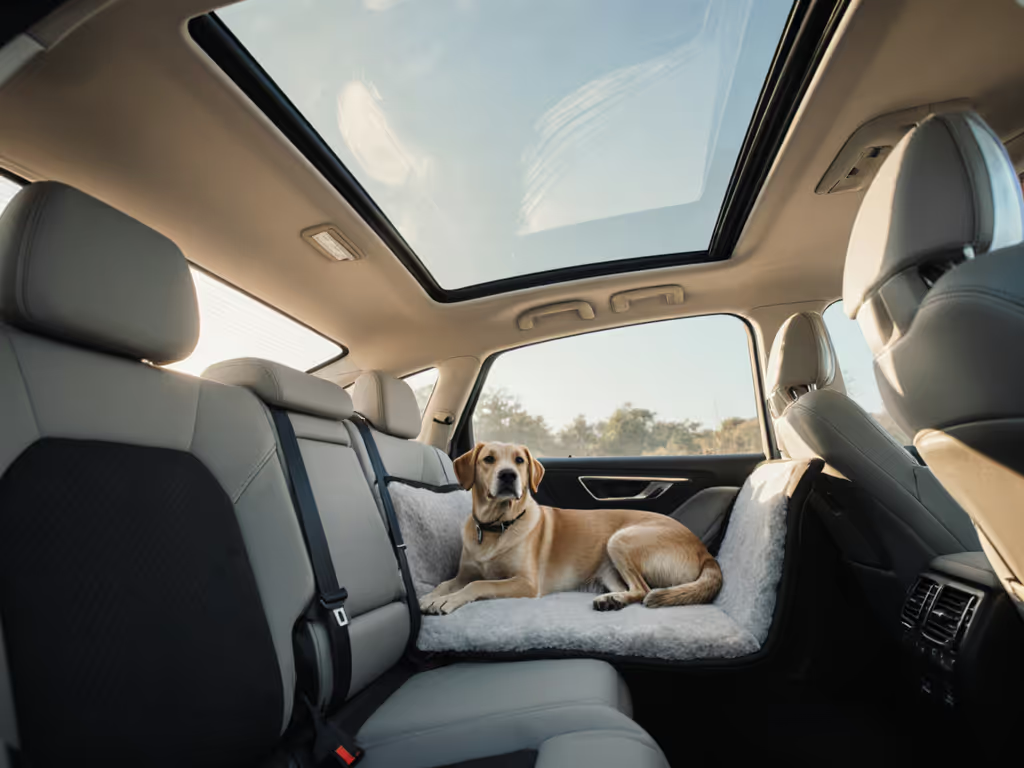
Core Risks With Dogs Under a Panoramic Roof
Before choosing gear, it helps to be precise about what you’re solving.
1. Heat & Hotspots
- Glass areas create localized radiant heat on the dog’s back and shoulders.
- Black fabric, rubber, and dark crates absorb heat, then radiate it onto your dog.
- In cargo areas of SUVs and crossovers, air from the main HVAC can be weaker or blocked by seats and gear.
2. Airflow & Vent Placement
- In many EVs, rear vents are console-mounted, not roof-mounted. A tall crate or solid barrier can easily block that airflow.
- When dogs ride in the hatch, they may sit behind the last set of vents, relying on indirect flow.
3. Restraint vs. Overheating
- Crash-tested harnesses and crates are important, but overly enclosed setups can trap hot air.
- Solid plastic crates without cross-ventilation are often cooler in winter and warmer in summer. Glass roofs amplify that.
4. Light, Glare, and Anxiety
- Some dogs settle under a bright roof; others pace because they can see everything.
- Glare off glass can make it harder for them to find a calm resting position.
With that in mind, let's look at which accessory categories actually help keep dogs cool in EVs with panoramic roofs, and which just make us feel better.
Accessory Categories: What Truly Helps Keep Dogs Cool?
Quick Comparison: Cooling Impact by Category
| Accessory Category | Cooling Impact While Driving | Best Role |
|---|---|---|
| Roof shade / sunshade under glass | High | Reduce radiant heat from above |
| Ceramic tint on roof/side glass (where legal) | High | Lower solar load long-term |
| Breathable seat/cargo covers (light color) | Medium-High | Reduce heat retention on surfaces |
| Ventilated/mesh crates | Medium-High | Allow airflow around contained dog |
| Portable fans (12V/USB, pet-safe) | Medium | Improve local airflow in weak zones |
| Cooling mats and fabrics | Medium | Buffer between dog and hot surfaces |
| External reflective covers (parked only) | High (parked), none driving | Short, supervised stops in sun |
| Thick hammocks, plush beds | Low/Negative | Comfort but can trap heat and air |
Below, I'll break down how each affects heat and what to prioritize for heat management for dog car travel in EVs.
1. Roof Sunshades and Tints: First Line of Defense
Retractable or Clip-In Roof Shades
For tesla panoramic roof pet safety and similar EVs, the single biggest change you can make is reducing radiant heat from above. Model-specific advice is available in our Tesla Model Y dog accessories guide covering panoramic roof heat management.
Look for:
- Tight fit under the glass – Custom-fit shades for your exact model, not stretchy "universal" nets that sag and rattle.
- Light or reflective upper surface – To reflect, not absorb, solar load.
- Minimal obstruction of headroom and airbags – Stay within the glass aperture; do not interfere with curtain airbag deployment paths.
Good shades noticeably reduce the "hot shoulder" feeling in the back row and keep crate tops from baking. They also help human passengers and reduce reliance on max AC.
High-Quality Ceramic Tint (Where Legal)
On models where it’s allowed, ceramic tint on the roof and upper side glass can:
- Reject more infrared heat than standard tint
- Reduce cabin warm-up while parked
- Lower radiant load on dogs and materials
Integration notes: prioritize roof glass and rear quarter glass, where dogs actually ride, and keep within legal tint limits and OEM recommendations.
Verdict: For EVs with large glass roofs, roof shades and/or ceramic tint are top-tier cooling investments. They modify the environment itself rather than fighting symptoms.
2. Seat and Cargo Area Covers: Cooling by Material Choice
Seat and cargo covers are often bought for mud and hair, but under a glass roof they quietly become thermal management tools.
What to Look For
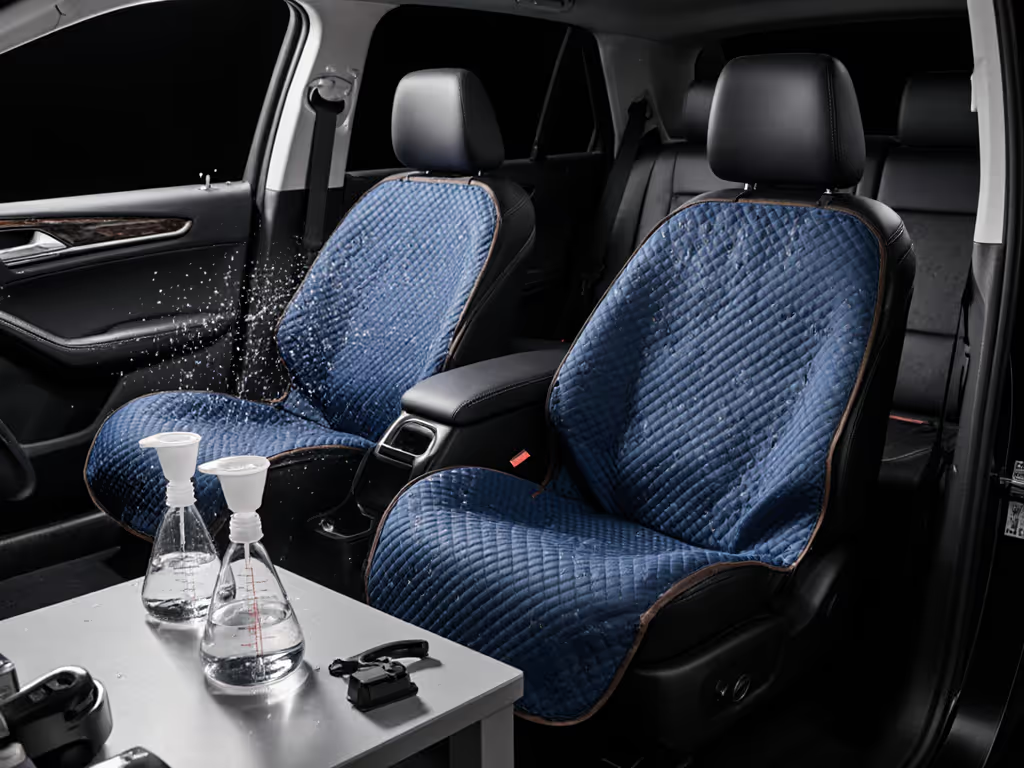
- Color: Light gray, beige, or other mid-light tones absorb less heat than deep black.
- Face fabric: Smooth, tightly woven synthetics or coated fabrics that don’t act like a black towel under the sun.
- Padding: Thin to moderate padding; very thick foam can trap heat.
- Breathability: Perforated sections or mesh side panels where the dog doesn’t lie directly.
Avoid:
- Heavy quilted "winter" style covers for summer conditions under glass.
- Covers that block rear vents or sit flush against vent outlets.
Hammocks vs. Bench Covers vs. Cargo Liners
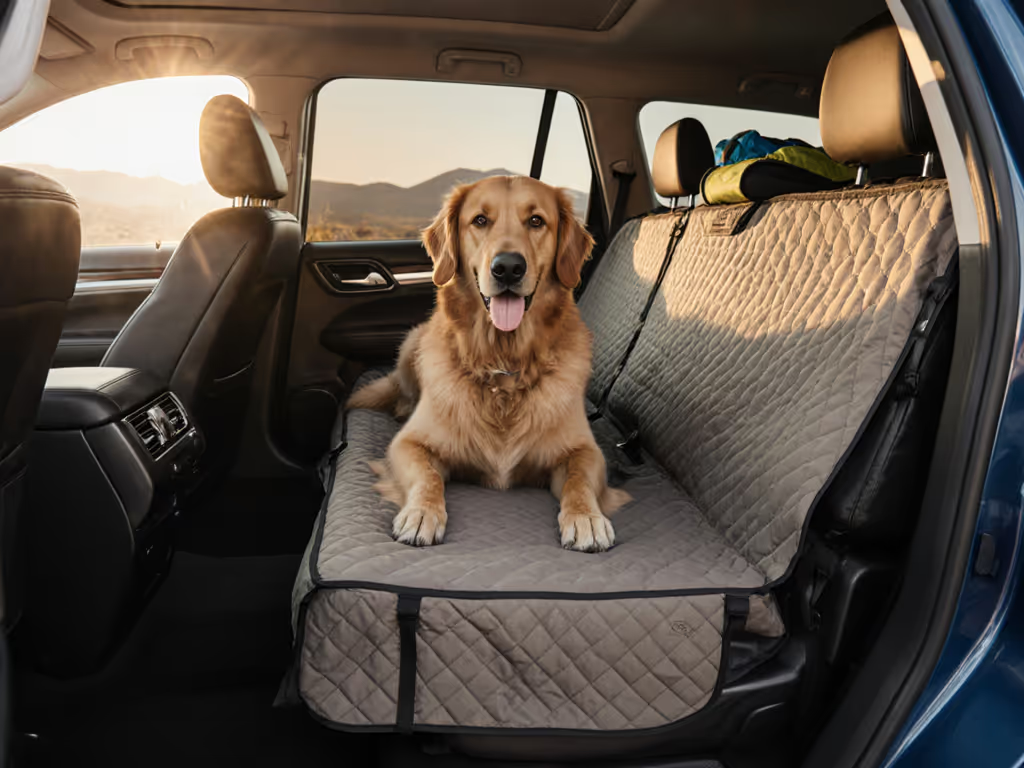
- Bench seat hammock: Great for blocking falls into the footwell, but can trap warm air if closed off entirely. Choose models with mesh panels near the console to preserve airflow to the back.
- Bench cover (no hammock): Cleaner airflow, but ensure you still have a strategy to prevent footwell falls.
- Cargo liner: Choose molded or semi-rigid liners that don’t curl up and trap heat pockets at the edges. For model-specific trunk protection that stays cool and secure, see our waterproof SUV cargo liners comparison.
Verdict: Choose light-colored, moderately padded, easy-wipe covers and prioritize designs that preserve venting over total enclosure.
3. Panoramic Sunroof Pet Barriers: Safe Containment Without Heat Traps
Panoramic sunroof pet barriers need to solve two problems simultaneously:
- Keep the dog from launching forward or over the seats
- Keep air moving freely from front HVAC to the dog
Barrier Designs That Work With Glass Roofs
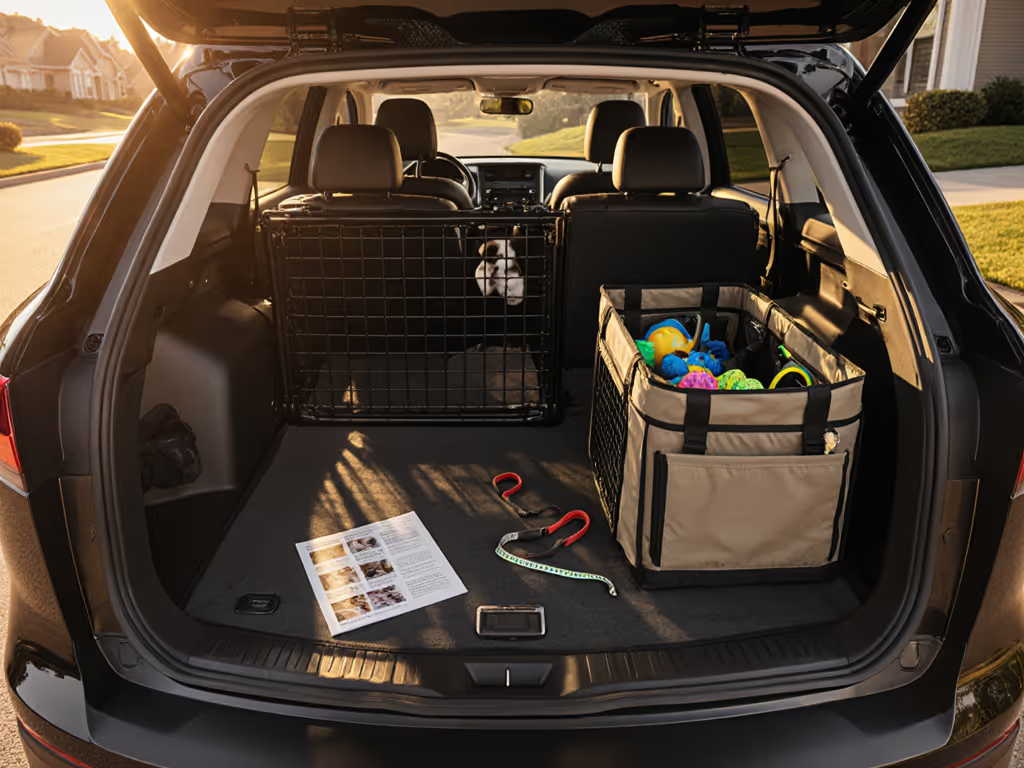
- Headrest-mounted mesh barriers between front and rear seats: They protect against front lunges while leaving the entire roof area open.
- Seat-back barriers behind the second row (for cargo-riding dogs) that anchor to cargo tie-downs and headrests.
Look for:
- Rigid or semi-rigid frames that don’t sag when brakes are applied.
- Fine mesh or open metal with rounded bars - enough visibility without creating a "solid wall" that blocks airflow.
- Exact height alignment with your seatbacks and roofline, so you don’t create climbable gaps.
Integration notes: avoid barriers that require drilling into pillars or roofs (these can compromise airbags or structural components). If you're choosing between barrier types, our SUV vs sedan barrier fit guide can help you match designs to your vehicle.
Cooling impact: Barriers themselves don’t cool the dog, but a correctly placed, open design ensures your EV’s climate system can actually reach the dog instead of being blocked.
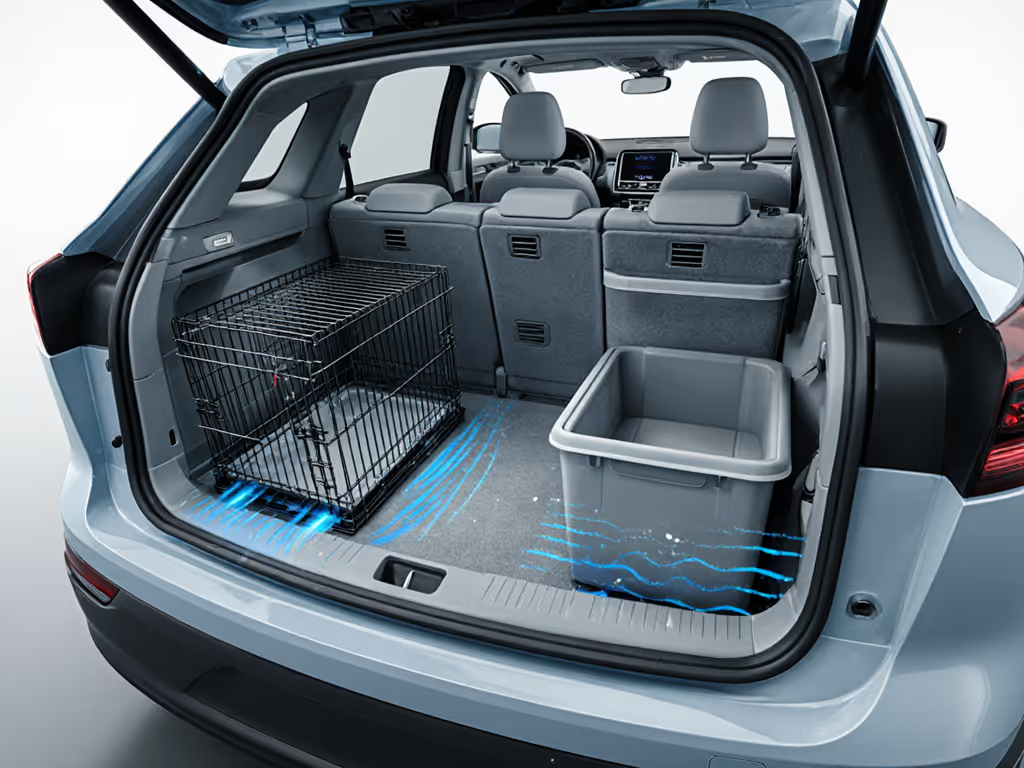
4. Crates and Carriers: Ventilation Over Bulk
Crates are where panoramic roofs can help or hurt most. Under a glass roof, a dark, solid crate in a hot cargo area becomes a miniature greenhouse.
Crate Types Under Glass
- Wire/mesh crates: Excellent airflow but can feel visually "busy". Under a roof shade, these are usually the best balance of ventilation and comfort.
- Aluminum-framed, ventilated crates: Strong, often safer, and can have directional vents. Look for models with large side and rear openings, not just front.
- Solid plastic kennels: Durable but can be hot. They need extra attention to placement and external shading.
Placement and Orientation
- Position crates within the airflow path of rear vents (console or B-pillar, depending on vehicle).
- Avoid pressing the crate tight against the liftgate glass; leave a few centimeters behind for air circulation.
- If you have 60/40 split seats, consider folding only a portion to allow a direct channel from vents to crate while still securing it.
When to Add a Fan
In larger EVs, or when the dog rides far behind the last vent, a small, low-noise 12V or USB fan aimed across the crate (not directly into the dog's face) can smooth out temperature differences.
Look for:
- Soft or guarded blades
- Secure mounting that won’t rattle or detach
- Low dB levels to avoid stressing sensitive dogs
Verdict: Under a panoramic roof, ventilated crates plus strategic placement beat heavy, enclosed kennels. Maximize cross-ventilation and align with your EV’s airflow.
5. Cooling Surfaces and Fabrics: Small Items That Add Up
These don’t replace climate control, but they make the microclimate around your dog more tolerable on bright days.
Cooling Mats
- Gel-style mats feel cooler initially but can warm up as they equalize with cabin temp.
- Fabric-wrapped mats with light-colored, breathable covers are easier to keep clean and less sticky.
Use them:
- On top of seat or cargo covers to reduce contact with any hot spots
- Inside crates, leaving some bare crate floor so the dog can choose warmer/cooler zones
Lightweight Throws and Towels
A simple, light-colored cotton or microfiber throw can:
- Provide a cooler surface than dark synthetic upholstery
- Be swapped out mid-summer season to manage odor and sweat
Keep them single-layer in summer; thick, folded layers become insulation.
Hydration and Bowls
- Choose no-spill, low-profile bowls that don’t slide when you brake.
- Offer small amounts of cool (not icy) water on longer drives. We tested spill-proof options in our car-safe hydration systems guide.
Integration notes: store water and towels in modular bins or side pockets so you're not juggling them around a restless dog.
6. EV Climate Features: Powerful, But Don’t Rely on Them Alone
Many EVs now offer:
- Pet or Dog Mode: Maintains cabin temperature and displays a message that the dog is safe.
- App-based climate control: Start cooling before you and the dog enter.
- Cabin overheat protection: Keeps interior below a certain threshold when parked.
These are invaluable, especially under glass. But for heat management for dog car travel in EVs, they work best when combined with smart accessories:
- A roof shade reduces how hard the system must work, preserving battery.
- Breathable covers and crates ensure conditioned air reaches the dog.
- Barriers and crate placement maintain an unobstructed airflow path.
I've seen the difference in real-life chaos: a stroller, groceries, and a 60-pound dog competing for the same bright rear cargo space under glass. Once we moved to modular bins, a low-profile crate aligned with rear vents, and a fold-flat seat-back barrier, heat (and tension) dropped. The dog stopped pacing; the human stopped re-packing the car after every single trip.
Practical Setup Templates for Common EV Layouts
Scenario 1: Tesla-Style Full Glass Roof, Dog on Rear Bench
- Install a model-specific roof sunshade over the rear portion of the glass.
- Use a light-colored bench cover with a mesh panel at the front edge to keep console vents flowing.
- Add a headrest-mounted mesh barrier between front and rear seats.
- Place a thin cooling mat where the dog normally lies.
Result: Good radiant heat reduction from above and unobstructed airflow from front vents.
Scenario 2: Crossover EV, Dog Crated in Cargo
- Use a roof shade that extends over both the second row and cargo.
- Fold a portion of the second row (for example, the smaller 40 side) to create a direct channel from rear vents to the crate.
- Secure a ventilated crate to cargo tie-downs, leaving a small gap behind the crate and rear glass.
- Add a low-noise fan clipped to the crate, moving air across the door.
- Line cargo with a molded liner and place a light-colored mat inside the crate.
Result: Crate is strapped down, out of the crumple zone as much as practical, and in the path of conditioned air.
Scenario 3: Compact EV Hatchback, Dog on Back Seat With Child Seat
- Choose a narrow bench cover that leaves ISOFIX/LATCH points accessible.
- Use a short, crash-tested harness clipped to the opposite seatbelt buckle from the child seat.
- Keep roof shade in place over both seating positions.
- Add a small cooling mat only under the dog’s section to avoid clutter.
Result: The dog has a defined, cool spot, the child seat remains untouched, and nothing blocks side curtain airbags.
Final Verdict: The Cooling Stack That Works Under a Glass Roof
If you want an EV cabin that stays calm, clean, and genuinely safe for your dog under a panoramic roof, prioritize in this order:
- Modify the environment first
- Roof sunshade (or ceramic tint where appropriate) to reduce radiant heat from above.
- Preserve airflow to where the dog actually is
- Vent-friendly barriers; crate and seat setups that don’t block vents.
- Choose cooling-conscious surfaces
- Light-colored, easy-wipe covers; thin cooling mats; breathable crate padding.
- Use EV climate features as the backbone, not the only line of defense
- Pre-cool from the app, use Pet/Dog modes for short, monitored stops, and keep your layout efficient so the system doesn’t work against unnecessary heat loads.
- Refine with small, modular add-ons
- A quiet fan in the cargo area, a no-spill water bowl, and well-placed bins so you’re never stacking groceries on top of the dog’s airflow path.
A panoramic glass roof can be an asset for dogs (bright, open, and easy to keep visually connected to you) if the accessories respect airflow, restraint, and temperature. Choose panoramic roof EV dog car accessories that look integrated, install once, and keep surfaces cool. When every item in your setup serves both order and climate control, your glass roof pet travel solutions stop feeling like a compromise and start feeling like part of the vehicle’s design.